
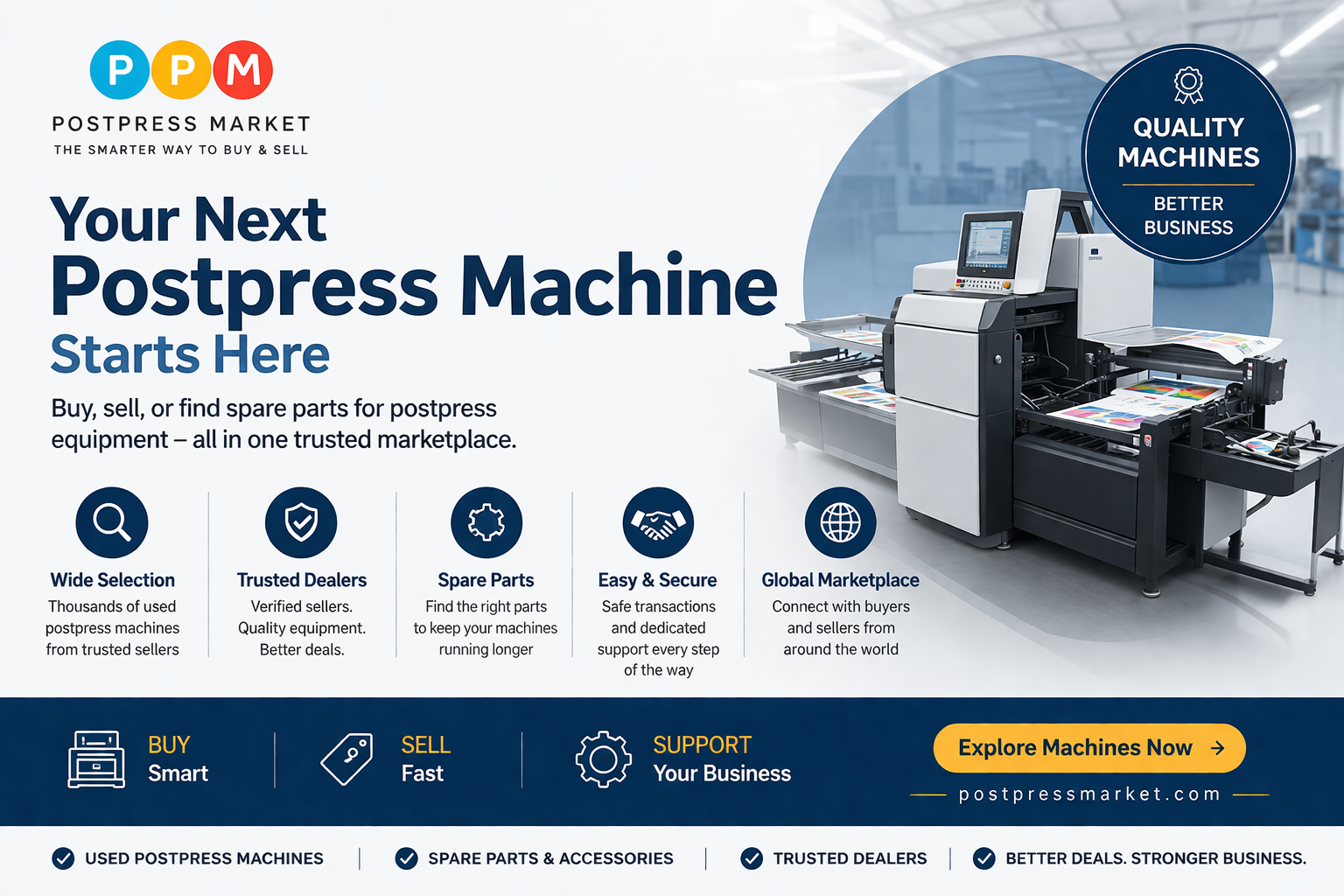
Used Printing Machines in UK: A Practical Guide for Industry Professionals
For print shops, bindery operators, and production managers in the UK, acquiring used printing machines can offer a strategic advantage in balancing quality output with budget constraints. Whether you are expanding capacity, replacing outdated equipment, or entering new printing segments, understanding the nuances of purchasing second-hand printing machinery is essential to making informed decisions that support long-term operational efficiency.
Understanding the Role of Used Printing Machines in UK Print Production
Used printing machines encompass a range of equipment including digital presses, offset printers, screen printers, and postpress finishing tools. These machines serve various production needs such as commercial printing, packaging, label printing, and specialty print jobs. Buyers often seek used machinery to access high-end models or brands at a fraction of the cost of new equipment, while maintaining professional print quality and throughput.
In the UK’s competitive printing sector, used machines are frequently integrated into workflows to optimize capital expenditure without compromising on production standards. However, selecting the right used equipment requires a clear understanding of the machine’s intended application, condition, and compatibility with existing processes.
Key Factors to Evaluate Before Buying Used Printing Machines
Purchasing used printing machinery demands a careful inspection and evaluation process to minimize risks and ensure reliable performance. Industry professionals typically consider the following criteria:
- Machine Condition and Maintenance History: Verify operational status, wear and tear, and maintenance records. Machines with documented service histories and recent refurbishments tend to offer better reliability.
- Age and Usage Intensity: Older machines or those with high production cycles may require more frequent maintenance and part replacements. Assess how intensively the equipment was used in previous operations.
- Compatibility with Current Workflow: Confirm that the machine’s specifications, such as format size, speed, and substrate handling capabilities, align with your production needs.
- Availability of Spare Parts: Ensure that spare parts are readily available either through dealers or aftermarket suppliers. Lack of parts can lead to extended downtime and increased maintenance costs.
- Technical Support and Dealer Network: Access to qualified technicians and service providers is crucial, especially for complex or brand-specific machinery.
Common Challenges and Risks When Acquiring Pre-Owned Printing Equipment
While used printing machines offer cost benefits, there are inherent risks that buyers should be mindful of to avoid costly mistakes:

- Hidden Mechanical Issues: Problems such as worn bearings, misaligned components, or electrical faults may not be immediately apparent and can significantly affect machine performance.
- Obsolete Technology: Some older models may lack compatibility with modern workflow software or digital integration, limiting production flexibility.
- Inadequate Documentation: Missing manuals, maintenance logs, or parts lists can complicate troubleshooting and servicing efforts.
- Transport and Installation Costs: Used machines often require careful dismantling, shipping, and professional installation, which should be factored into the total investment.
Comparing Used Printing Machines: What Industry Buyers Typically Consider
When comparing options, UK print professionals weigh several operational and economic factors to choose the best fit:
- Brand Reputation and Model Popularity: Established brands with a strong dealer and service network generally ensure better support and part availability.
- Machine Versatility: Equipment capable of handling multiple substrates or finishing options can provide greater production flexibility.
- Energy Efficiency and Running Costs: Older machines might consume more power or require more consumables, affecting operational budgets.
- Previous Usage Type: Machines used in high-volume commercial environments may differ in wear from those used for lighter or specialty printing.
Maintenance and Spare Parts Considerations for Used Printing Equipment
Maintaining used printing machinery effectively is critical to extending its service life and minimizing downtime. Key maintenance aspects include:
- Routine Inspection and Cleaning: Regular checks of rollers, cylinders, belts, and electrical components help identify wear early.
- Access to Genuine or Compatible Spare Parts: Sourcing parts from authorized dealers or reputable aftermarket suppliers ensures quality and fitment.
- Scheduled Servicing: Professional servicing by technicians familiar with the specific machine model can prevent unexpected breakdowns.
- Software Updates and Calibration: For digital and hybrid machines, keeping firmware and control systems updated maintains print accuracy and consistency.
When to Seek Dealer Support or Technical Assistance
Engaging with authorized dealers or specialized service providers is advisable in several scenarios:
- Machine Installation and Commissioning: Professional setup ensures correct alignment, calibration, and integration with existing systems.
- Complex Repairs or Overhauls: Experienced technicians can diagnose and repair intricate mechanical or electronic faults more efficiently.
- Training and Operator Support: Dealer-led training can optimize machine use and reduce operator errors.
- Parts Procurement and Warranty Services: Dealers often facilitate access to genuine parts and may offer limited warranties on used equipment.
FAQs About Buying Used Printing Machines in the UK
- Is it better to buy used printing machines from dealers or private sellers?
Dealers typically provide inspected and serviced equipment with some level of warranty or support, whereas private sales may offer lower prices but higher risk. - How can I verify the condition of a used printing machine before purchase?
Request detailed maintenance records, arrange on-site inspections, and if possible, conduct test runs to assess performance. - What are the common spare parts that wear out on printing machines?
Consumables such as rollers, blankets, belts, bearings, and electronic components often require replacement during the machine’s lifecycle. - Can used printing machines be upgraded to support new printing technologies?
Some models allow retrofitting of digital interfaces or software updates, but this depends on the machine’s design and age. - What should I consider regarding warranty when buying used equipment?
Many used machines are sold “as-is,” so securing a limited warranty or service agreement through a dealer can provide added protection.
