
Best Used Folding Machine for Print Shops: A Practical Guide
For print shops aiming to optimize finishing workflows, selecting the right folding machine is critical. A well-chosen folding machine boosts productivity, enhances product quality, and reduces labor costs. Opting for a used folding machine can offer significant cost benefits, but it requires a careful approach to ensure reliability and suitability for your specific operations. This guide covers essential factors print professionals should consider when searching for the best used folding machine.
Understanding Folding Machines in Print Finishing
Folding machines are essential postpress equipment designed to crease and fold sheets of paper or other substrates into various formats like brochures, leaflets, or book signatures. They come in a range of configurations—from basic buckle folders to complex knife folders and combination units capable of multiple fold types.
Print shops use folding machines to streamline manual finishing tasks, improve folding accuracy, and maintain consistent output quality at high volumes. Choosing a machine that matches your production needs and substrate characteristics is fundamental to operational efficiency.
Key Considerations When Buying a Used Folding Machine
Purchasing a used folding machine involves more than just price comparison. Print shops should evaluate several technical and operational aspects to avoid costly downtime or mismatched equipment.
- Machine Type and Folding Capabilities: Identify the fold types you regularly require—parallel folds, letter folds, gate folds, or custom folds—and ensure the machine supports them. Some used machines offer modular tooling for versatility, while others specialize in specific folds.
- Sheet Size and Weight Compatibility: Confirm the machine can handle the maximum and minimum sheet sizes and paper weights your shop processes. Overloading a machine beyond its specifications leads to jams and accelerated wear.
- Speed and Throughput: Consider the machine’s rated folding speed in sheets per hour. A machine with suitable throughput aligns with your production schedule without unnecessary bottlenecks.
- Condition and Usage History: Assess the mechanical condition, age, and maintenance history. Machines with well-documented service records and minimal wear tend to offer better reliability.
- Availability of Spare Parts: Check if spare parts for the specific make and model are readily available. Older or less common machines might present challenges sourcing components, which can extend downtime.
- Control Interface and Automation Features: Modern folding machines may include electronic controls, programmable settings, and automatic adjustments. For used machines, verify that control systems are functional and compatible with your operator skill level.
Common Issues to Watch for in Used Folding Machines
When inspecting a used folding machine, certain recurring problems can signal hidden maintenance costs or operational limitations.
- Wear on Folding Plates and Rollers: Excessive wear can cause inaccurate folds and frequent misfeeds. Look for signs of uneven surfaces, cracks, or deformation.
- Malfunctioning Feed Systems: Feeding problems may arise from worn belts, damaged suction cups, or misaligned feeders, leading to paper jams or double feeds.
- Electrical and Control Failures: Faulty sensors, damaged wiring, or outdated control panels can disrupt machine operation. Testing the machine’s electronic functions before purchase is advisable.
- Noise and Vibration: Unusual noises or vibrations during operation often indicate bearing failures or misaligned components, which could require costly repairs.
- Missing or Damaged Tooling: Folding plates and scoring tools are model-specific and critical for fold quality. Missing tooling can add expense if replacements are hard to source.
Comparing Popular Used Folding Machine Types
Different folding technologies suit varying print shop environments and production demands. Understanding these differences helps narrow your options:
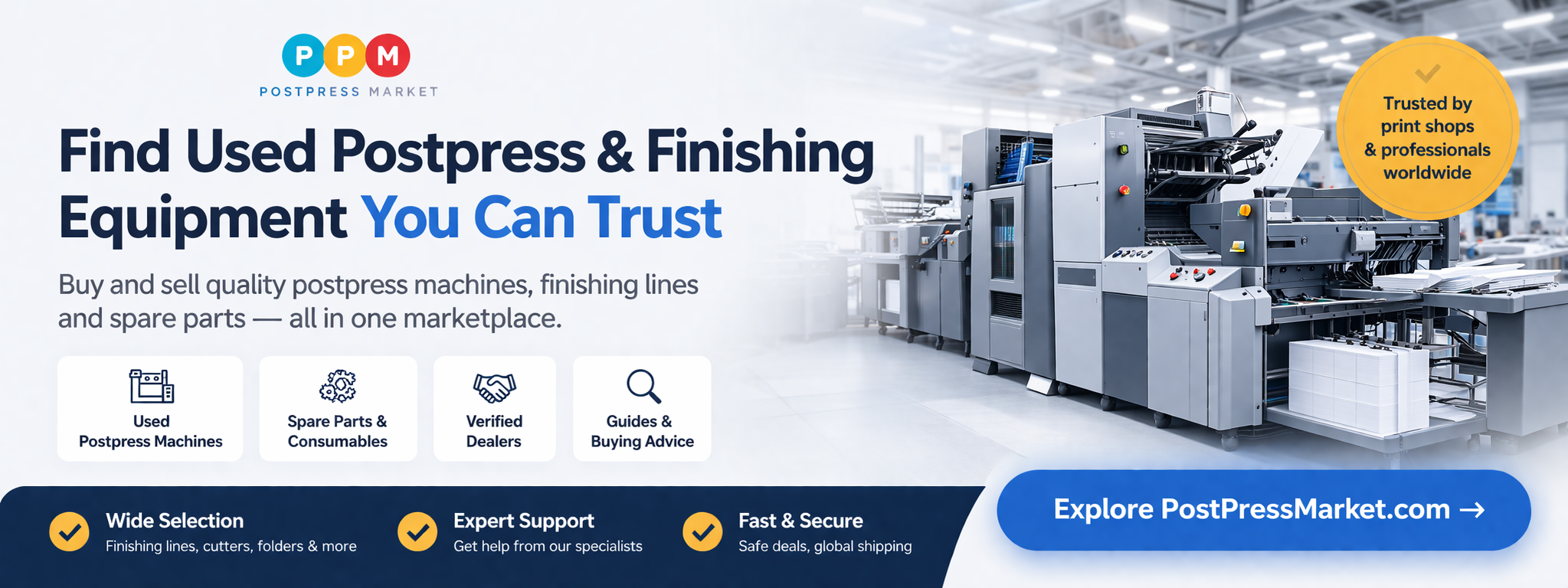
- Buckle Folders: Common for general-purpose folding; they rely on paper buckling against a stop to create folds. They are efficient for light to medium-weight papers but may struggle with heavier stocks.
- Knife Folders: Use a blade to push paper through rollers, ideal for thick or coated stocks that buckle folders cannot handle effectively.
- Combination Folders: Offer versatility by integrating buckle and knife folding capabilities in one machine, suitable for shops with diverse finishing needs.
- Automated Programmable Folders: Include electronic controls for quick job changeovers and precise fold settings, often found in higher-end used models.
Maintenance and Spare Parts for Used Folding Machines
Maintaining a used folding machine ensures longevity and consistent performance. Key maintenance practices include regular cleaning of folding plates and rollers, lubricating moving parts, and inspecting belts and sensors for wear.
Before purchasing, inquire about the availability of spare parts specific to the machine’s brand and model. Reliable access to consumables like belts, rollers, folding plates, and electronic components is crucial. Some older machines may require sourcing parts from specialized dealers or aftermarket suppliers.
Engaging with experienced technicians or dealer service departments can provide valuable insights into maintenance requirements and potential hidden issues associated with certain models.
When to Seek Dealer Support or Professional Inspection
Buying a used folding machine from a reputable dealer often includes access to pre-sale inspections, warranty options, and after-sales support. Dealers can also assist in verifying machine condition and provide technical advice on suitability for your print shop’s needs.
If purchasing from independent sellers, consider hiring a qualified technician to perform a thorough inspection or test run. Professional evaluation reduces the risk of acquiring equipment with concealed defects or incompatible features.
Frequently Asked Questions about Used Folding Machines
- Is it better to buy a used folding machine or invest in a new one?
Used machines offer cost savings and can be a practical choice for shops with budget constraints or lower volume needs. However, new machines provide advanced features, longer warranties, and potentially lower maintenance initially. The decision depends on your production demands and financial considerations. - How can I verify the condition of a used folding machine before purchase?
Request detailed photos, videos of the machine in operation, and maintenance records. If possible, arrange an on-site inspection or third-party evaluation by a qualified technician. - What are the typical lead times for spare parts on older folding machines?
Lead times vary widely depending on the manufacturer and model. Common parts for popular brands are usually available within days or weeks, while rare or discontinued components may take longer or require custom fabrication. - Can used folding machines be upgraded with new control systems?
Some models allow retrofitting with modern control panels or automation upgrades, but compatibility depends on the machine’s design and age. Consult with specialists or dealers to explore upgrade options. - Are there risks in buying used folding machines from private sellers?
Private sales may lack warranties and professional inspection, increasing the risk of hidden defects. Careful due diligence and technical inspection are essential to mitigate these risks.
