
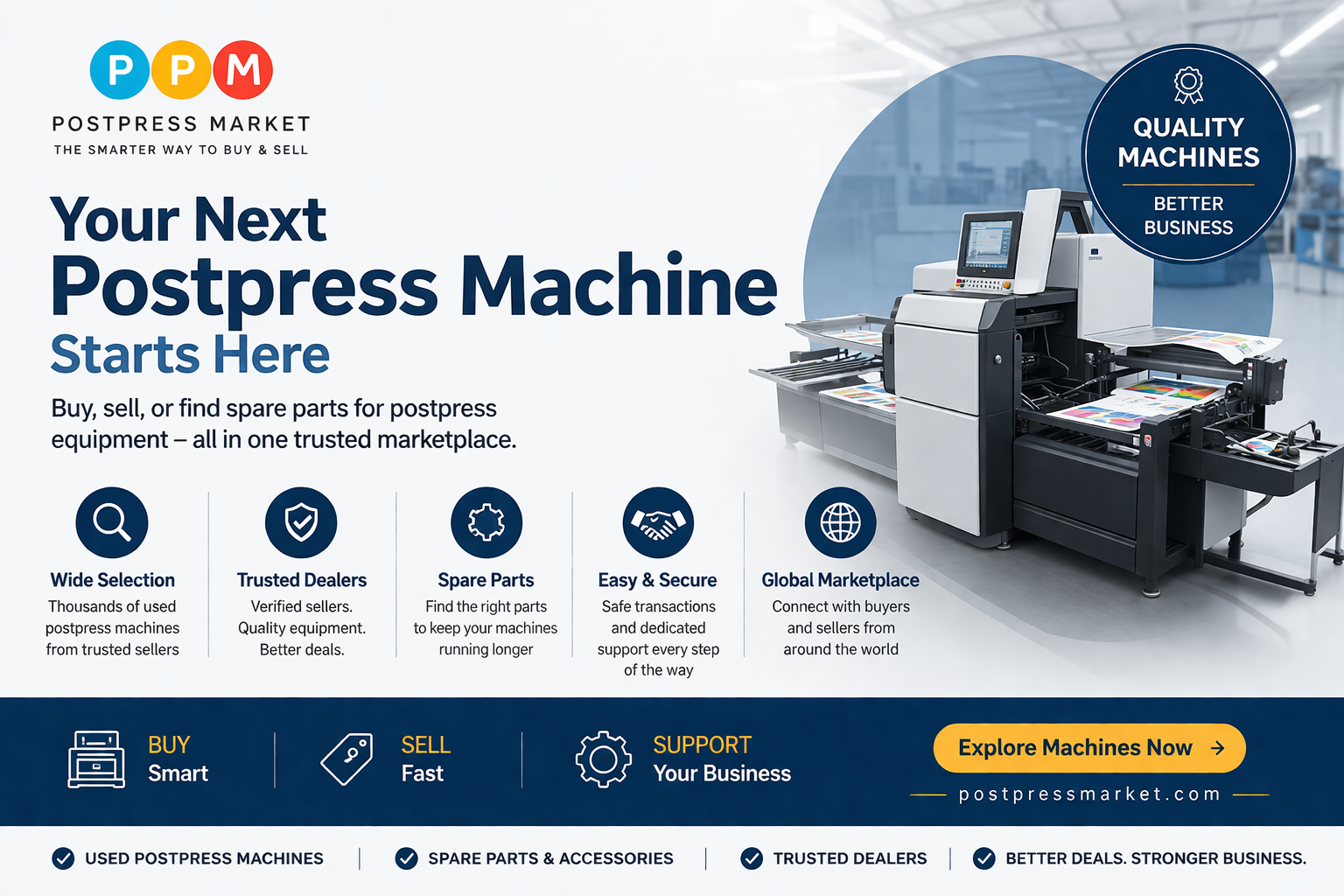
Dealer for Stitching Machines: Essential Guide for Print and Bindery Professionals
In the printing and postpress industry, stitching machines are indispensable for producing high-quality booklets, brochures, catalogs, and other bound products. Whether you operate a print shop, bindery, or finishing department, finding a reliable dealer for stitching machines can significantly impact your equipment investment, maintenance efficiency, and overall production workflow. This guide addresses key considerations when searching for stitching machine dealers, helping you make informed decisions on purchasing, servicing, and sourcing spare parts.
Understanding Stitching Machines and Their Role in Postpress
Stitching machines, often referred to as saddle stitchers or staplers, are designed to bind printed sheets by inserting staples along the spine. They are commonly used in finishing processes for magazines, catalogs, manuals, and promotional materials. Depending on the production volume and product specifications, stitching machines range from compact tabletop models to fully automated inline systems integrated with folding and trimming units.
Choosing the right stitching machine involves understanding your production needs, including sheet size, paper thickness, speed requirements, and compatibility with other finishing equipment. A reputable dealer will help clarify these aspects and recommend suitable models.
Key Factors When Selecting a Dealer for Stitching Machines
Working with a knowledgeable and well-stocked dealer is crucial for long-term operational success. Here are important factors to consider:
- Product Range and Availability: A dealer should offer a variety of stitching machines from leading manufacturers, covering different automation levels and capabilities to match diverse business needs.
- New vs. Used Equipment Options: Depending on budget and production scale, dealers may provide both new and pre-owned stitching machines. Assessing the condition, warranty, and support for used equipment is vital.
- Spare Parts Inventory: Timely access to genuine spare parts such as staples, needles, drive belts, and control components minimizes downtime and extends machine life.
- Technical Expertise and Support: Dealers with trained technicians can offer installation, preventive maintenance, troubleshooting, and repair services, ensuring optimal machine performance.
- Training and Documentation: Comprehensive user manuals and operator training provided by the dealer help your staff maximize machine efficiency and reduce operational errors.
Common Challenges in Stitching Machine Operations and How Dealers Can Assist
Print and bindery operators often encounter technical issues that affect stitching quality and productivity. Reliable dealer support is essential to address problems such as:
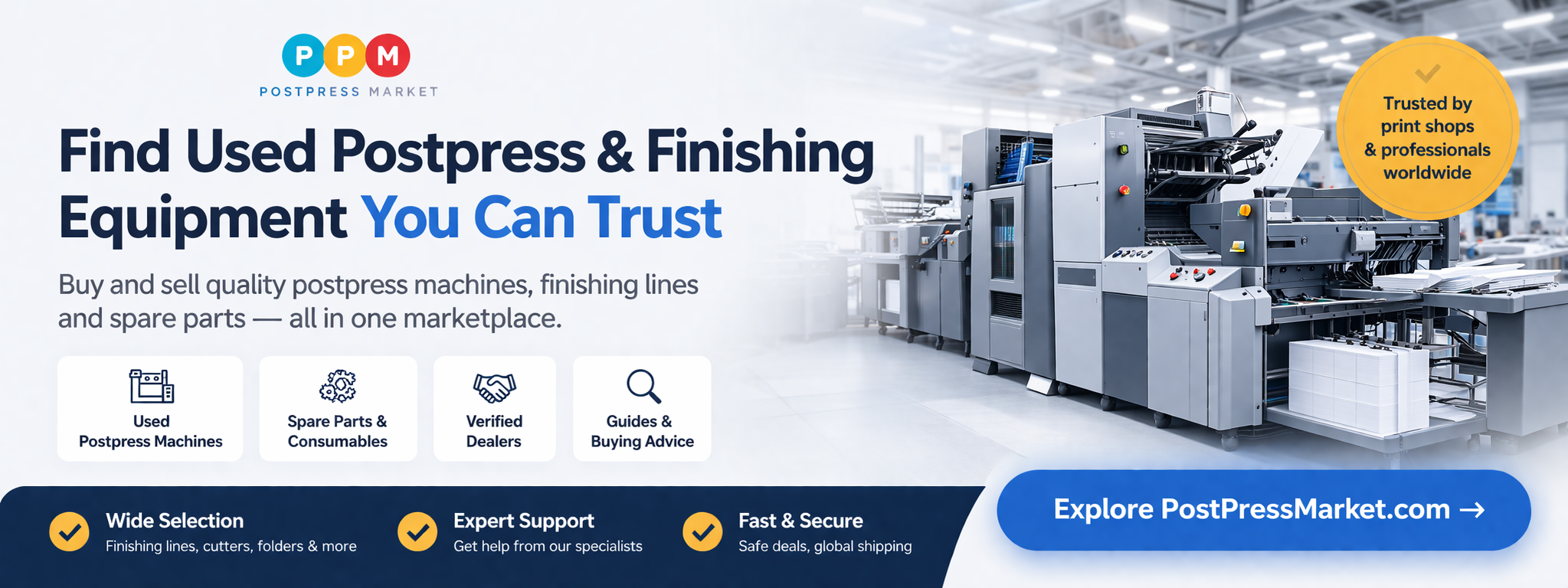
- Misfed Sheets or Jamming: Caused by improper paper alignment, worn feed rollers, or incorrect staple size. Dealers can supply replacement parts and recommend adjustments or upgrades.
- Inconsistent Stapling or Skipped Staples: Often due to staple wire quality, worn drivers, or mechanical wear. Access to genuine staple supplies and repair parts is critical.
- Machine Calibration and Synchronization: Especially important for inline stitching units integrated with folders and trimmers. Dealers can provide calibration services and software updates.
- Wear and Tear of Moving Components: Regular maintenance is necessary to prevent breakdowns. Dealers may offer maintenance contracts and preventive servicing plans.
What to Verify Before Purchasing a Stitching Machine from a Dealer
Before committing to a purchase, ensure the dealer and the machine meet your operational and financial requirements by checking:
- Machine Specifications and Compatibility: Confirm that the machine supports your preferred sheet sizes, paper weights, and production speeds.
- Warranty and Service Agreements: Understand the terms of warranty coverage and availability of after-sales support.
- Spare Parts and Consumables Supply: Verify that the dealer stocks or can quickly source essential parts and staples for your machine model.
- Demonstrations and References: Request machine demos or references from existing customers to evaluate performance and dealer reliability.
- Training and Documentation: Ensure the dealer provides comprehensive operator training and technical documentation.
Advantages of Using a Specialized Dealer Marketplace
Leveraging a dealer marketplace focused on stitching machines and postpress equipment offers distinct benefits:
- Comprehensive Selection: Access multiple dealers and brands in one place to compare options and pricing.
- Transparent Listings: Detailed machine descriptions, condition reports, and service histories help in evaluating used equipment.
- Spare Parts and Service Providers: Quickly locate dealers who stock parts or offer maintenance services specific to your machine.
- Efficient Buying and Selling: Simplifies transactions for both acquiring new or used machines and selling surplus equipment.
Maintaining and Troubleshooting Stitching Machines
Regular maintenance is key to prolonging the life of stitching machines and avoiding costly downtime. Dealers often provide maintenance schedules tailored to your machine model, including:
- Lubrication of moving parts
- Inspection and replacement of staples and staple drivers
- Adjustment of feed mechanisms and stapling heads
- Cleaning sensors and electronic components
For troubleshooting, dealer technicians can diagnose issues such as electrical faults, mechanical wear, or software errors. Prompt professional intervention reduces production interruptions and protects your investment.
Frequently Asked Questions About Stitching Machine Dealers
- What types of stitching machines do dealers typically offer?
Dealers usually stock saddle stitchers ranging from manual tabletop units to fully automatic inline systems integrated with folders and trimmers. - Can I buy both new and used stitching machines from the same dealer?
Many dealers provide both new and certified pre-owned machines, allowing buyers to choose according to budget and production requirements. - How important is dealer support for spare parts?
Critical. Reliable access to genuine spare parts ensures consistent machine operation and reduces downtime. - Do dealers offer training for stitching machine operators?
Yes, professional dealers often provide operator training and technical documentation to optimize machine use and safety. - When should I contact a dealer for repair instead of attempting in-house fixes?
For complex mechanical or electrical issues, or when parts replacement is needed, professional dealer service is recommended to avoid further damage.
