
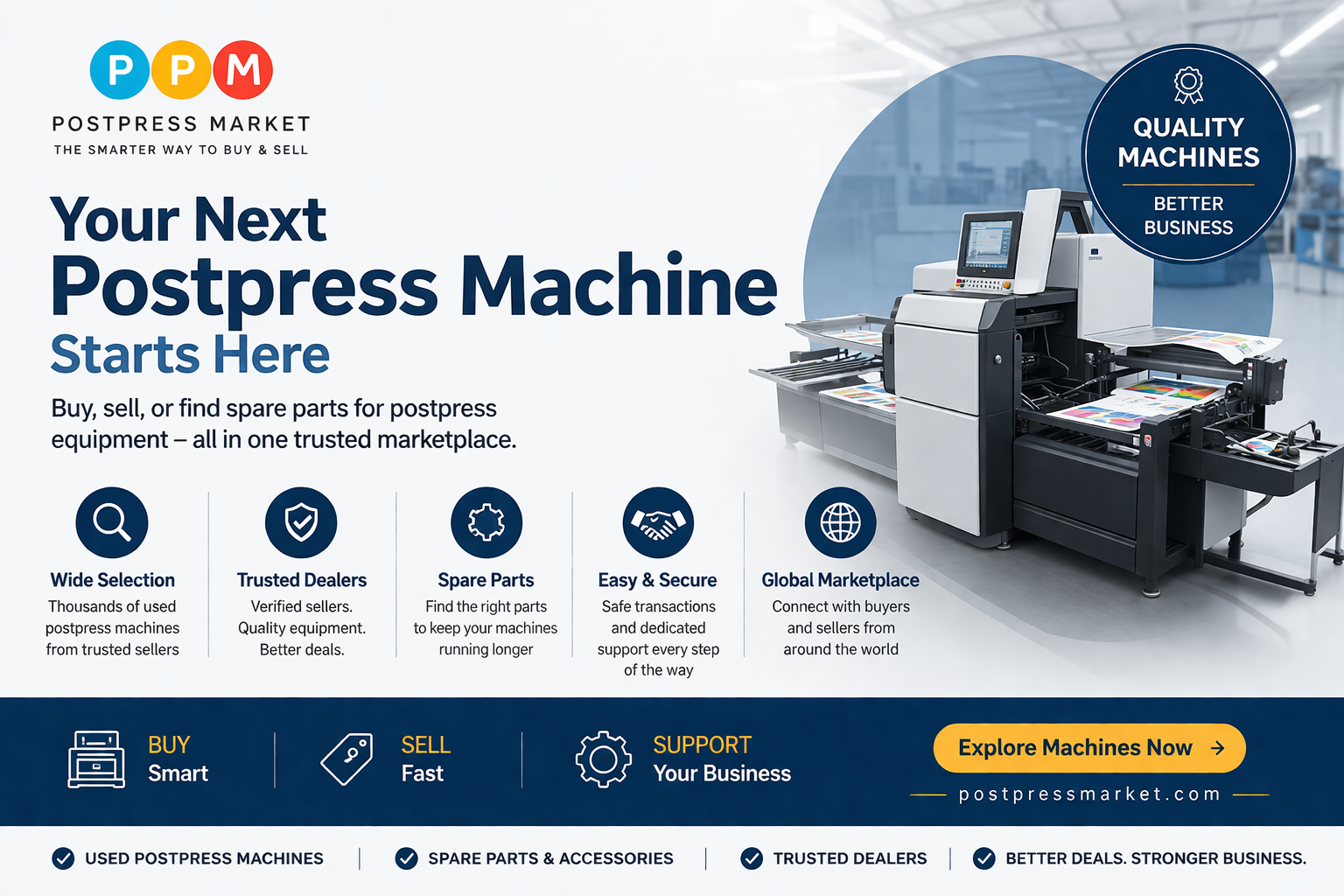
New Spare Parts for Printing Equipment: Ensuring Optimal Performance and Longevity
In the printing and postpress industry, the reliability and efficiency of machinery directly impact production quality and turnaround times. New spare parts for printing equipment play a crucial role in maintaining operational continuity, reducing downtime, and extending the lifespan of presses, bindery machines, and finishing lines. Whether you operate a commercial print shop, a bindery, or a postpress facility, understanding the significance of sourcing the right new spare parts is essential for effective maintenance and repair strategies.
Why Prioritize New Spare Parts in Printing Equipment Maintenance?
Unlike used or refurbished components, new spare parts come directly from manufacturers or authorized suppliers, ensuring compatibility, precision engineering, and adherence to the latest quality standards. This is particularly vital for critical components such as cylinders, rollers, electronic boards, sensors, and drive mechanisms, where wear or failure can cause significant production disruptions.
Investing in new parts helps avoid the risks associated with inferior or mismatched components, such as:
- Reduced machine efficiency and print quality
- Increased likelihood of unexpected breakdowns
- Potential damage to other machine elements
- Non-compliance with warranty or service agreements
Key Considerations When Selecting New Spare Parts for Printing Machinery
Choosing the right spare parts requires careful evaluation of several factors to ensure seamless integration and optimal machine performance:
- Compatibility: Confirm that the part matches your machine’s make, model, and series. Differences in design revisions or production years can affect fit and function.
- Manufacturer or Authorized Supplier: Prioritize original equipment manufacturer (OEM) parts or those from trusted distributors to guarantee quality and after-sales support.
- Technical Specifications: Verify part dimensions, materials, tolerances, and electrical or mechanical characteristics as applicable.
- Warranty and Return Policies: Understand warranty terms to protect your investment and ensure recourse in case of defects.
- Lead Time and Availability: Assess delivery schedules, especially for critical components, to minimize production downtime.
Common Types of New Spare Parts in Printing and Postpress Equipment
Spare parts vary widely depending on the equipment type and its function within the printing process. Some of the most frequently sought new parts include:
- Printing Press Components: Impression cylinders, blanket cylinders, ink rollers, dampening rollers, and doctor blades.
- Feeding and Delivery Parts: Feed belts, gripper bars, suction cups, and delivery rollers.
- Electronic and Control Units: Control boards, sensors, switches, and motors.
- Bindery and Finishing Parts: Cutting blades, folding knives, stitching heads, conveyor belts, and pneumatic valves.
- Consumables and Wear Items: Filters, seals, bearings, and lubricants tailored for specific machines.
Common Challenges and Mistakes When Procuring Spare Parts
Even experienced production managers and technicians can encounter pitfalls when sourcing new spare parts. Common issues include:

- Incorrect Part Identification: Misreading serial numbers or part codes can lead to ordering incompatible components.
- Overlooking Machine Upgrades: Older machines may have updated versions of parts; ordering obsolete spares can cause fitment problems.
- Ignoring Quality Differences: Non-OEM or generic parts may be cheaper but risk premature failure and voiding warranties.
- Inadequate Stock Planning: Failing to maintain a strategic inventory can result in extended downtime during urgent repairs.
Maintenance and Repair Implications of Using New Spare Parts
Incorporating new spare parts into your maintenance routine offers several operational advantages:
- Enhanced Machine Reliability: New components reduce the frequency of unexpected breakdowns and maintain consistent print quality.
- Improved Safety: Fresh parts meet current safety standards and reduce the risk of mechanical failures.
- Optimized Performance: Correctly matched parts ensure machines operate at designed speeds and tolerances.
- Extended Equipment Lifespan: Regular replacement of wear parts delays the need for costly machine overhauls or replacements.
Moreover, professional installation and calibration following part replacement are essential to maximize benefits and avoid operational issues.
When to Seek Dealer or Technical Support for Spare Parts
While purchasing new spare parts is often straightforward, certain situations warrant expert intervention:
- Complex or Integrated Systems: Electrical control units, servo motors, or software-related components require technical expertise to diagnose and replace correctly.
- Uncertain Part Compatibility: Machines with limited documentation or custom modifications may need dealer verification before ordering parts.
- Urgent Repairs: Dealers often provide expedited shipping and technical assistance to minimize downtime.
- Maintenance Contracts: Authorized service providers can offer scheduled part replacements as part of maintenance agreements.
Using Marketplaces to Source New Spare Parts Efficiently
Specialized marketplaces for printing and postpress equipment spare parts provide a centralized platform to compare parts from multiple suppliers. Benefits include:
- Comprehensive Selection: Access to a wide range of OEM and certified parts for various brands and machine types.
- Price Transparency: Ability to evaluate cost options and delivery terms before purchase.
- Verified Sellers: Marketplace vetting ensures supplier reliability and product authenticity.
- Technical Support Access: Many platforms offer direct contact with dealers or service providers for expert advice.
For production managers and equipment buyers, marketplaces streamline procurement, reduce administrative overhead, and support informed decision-making.
Frequently Asked Questions About New Spare Parts for Printing Equipment
- How do I confirm the exact spare part needed for my machine?
Consult your machine’s service manual or parts catalog, note the part number, and verify with the manufacturer or authorized dealer to ensure accuracy. - Are OEM parts always better than third-party alternatives?
OEM parts guarantee compatibility and quality but may come at a premium. Certified third-party parts can be acceptable if sourced from reputable suppliers with proven performance. - What is the typical lead time for new spare parts?
Lead times vary depending on part complexity and supplier location; planning ahead and maintaining a parts inventory can mitigate production impact. - Can I install new spare parts myself?
Simple wear parts may be replaced by experienced technicians, but complex components or those affecting machine calibration should be installed by qualified service personnel. - How often should I replace spare parts on printing equipment?
Replacement intervals depend on usage intensity, part wear rates, and manufacturer recommendations; proactive maintenance schedules help optimize performance.
