
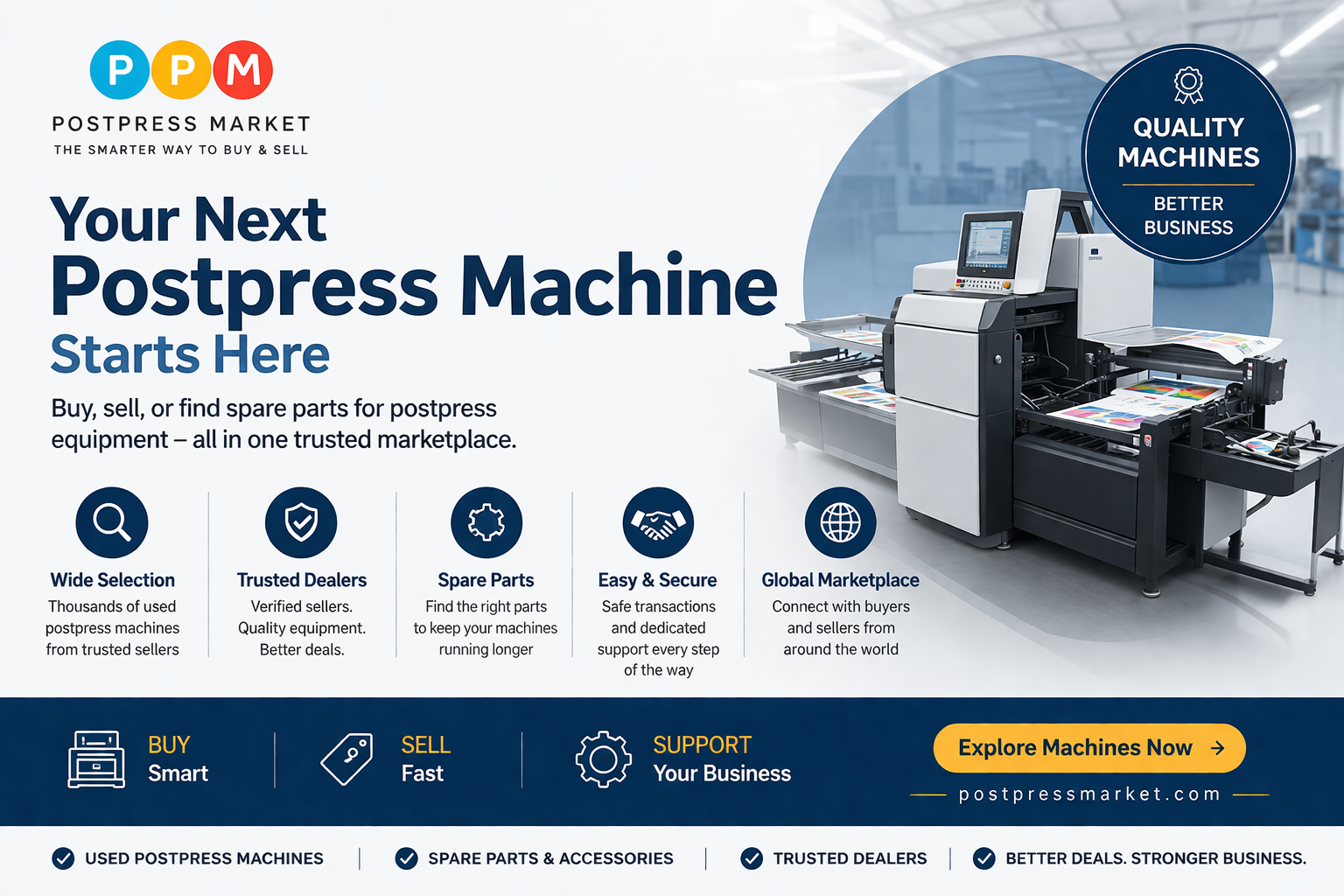
Printing Equipment Marketplace for Professionals
In the fast-paced printing and postpress industry, sourcing reliable printing equipment and spare parts is critical to maintaining production efficiency and quality. Whether you operate a print shop, bindery, or finishing department, a specialized marketplace tailored to professional needs can streamline the process of buying, selling, and servicing printing machinery. This page explores the key aspects of using a printing equipment marketplace, helping industry professionals make informed decisions while optimizing their operational investments.
Understanding the Scope of Printing Equipment Marketplaces
A dedicated printing equipment marketplace serves as a centralized platform where professionals can find a diverse range of machinery, including offset presses, digital printers, bindery machines, laminators, cutters, and finishing systems. It also provides access to spare parts, technical services, and dealer contacts. Unlike general marketplaces, these platforms focus exclusively on the printing and postpress sectors, ensuring that listings are relevant and that buyers and sellers share industry-specific knowledge.
Typically, users include print shop owners upgrading their production lines, bindery operators replacing worn-out machines, equipment dealers managing inventories, and maintenance teams sourcing hard-to-find spare parts.
Key Considerations When Buying Printing Machinery
When purchasing printing equipment through a marketplace, professionals must evaluate several factors to ensure a sound investment:
- Machine Condition and Age: Understand how long the machine has been in operation and assess wear and tear. Inspect service records or request maintenance history when available.
- Compatibility with Production Needs: Confirm the machine’s specifications align with your print volumes, substrate types, and finishing requirements.
- Brand and Model Reputation: Some brands and models have better service networks and parts availability, which can impact long-term reliability.
- Spare Parts Availability: Check if replacement parts are readily available through the marketplace or authorized dealers to avoid extended downtime.
- Energy Efficiency and Operating Costs: Consider the machine’s power consumption and maintenance expenses to evaluate total cost of ownership.
- Seller Credentials and Support: Verify the seller’s credibility and whether they offer technical support or installation assistance.
Why Professionals Use Marketplaces for Selling Printing Equipment
For companies looking to sell printing machinery, marketplaces offer a targeted audience of qualified buyers, reducing time on market and increasing chances of competitive offers. Sellers benefit from:
- Industry-Specific Exposure: Listings reach print shops, bindery operators, and dealers actively seeking equipment.
- Quick Turnaround: Streamlined communication tools and transparent listings facilitate faster negotiations.
- Option to Sell Machines or Spare Parts: Flexibility to list entire machines, components, or consumables based on inventory.
- Access to Market Insights: Pricing trends and demand data help sellers position their offers competitively.
Common Challenges and Troubleshooting in Equipment Transactions
Despite the benefits, professionals should be aware of typical challenges encountered when buying or selling through a marketplace:
- Incomplete Machine Information: Listings without detailed specifications or maintenance records can lead to misunderstandings.
- Hidden Mechanical Issues: Machines may have underlying problems not evident in photos or descriptions, highlighting the importance of inspection or video demonstrations.
- Spare Parts Compatibility: Variations in machine models may affect part interchangeability, requiring careful verification.
- Logistical Considerations: Transporting large or heavy equipment demands coordination and cost assessment.
To mitigate these risks, professionals should request detailed documentation, conduct remote or on-site inspections when possible, and engage with marketplace support or dealers for advice.
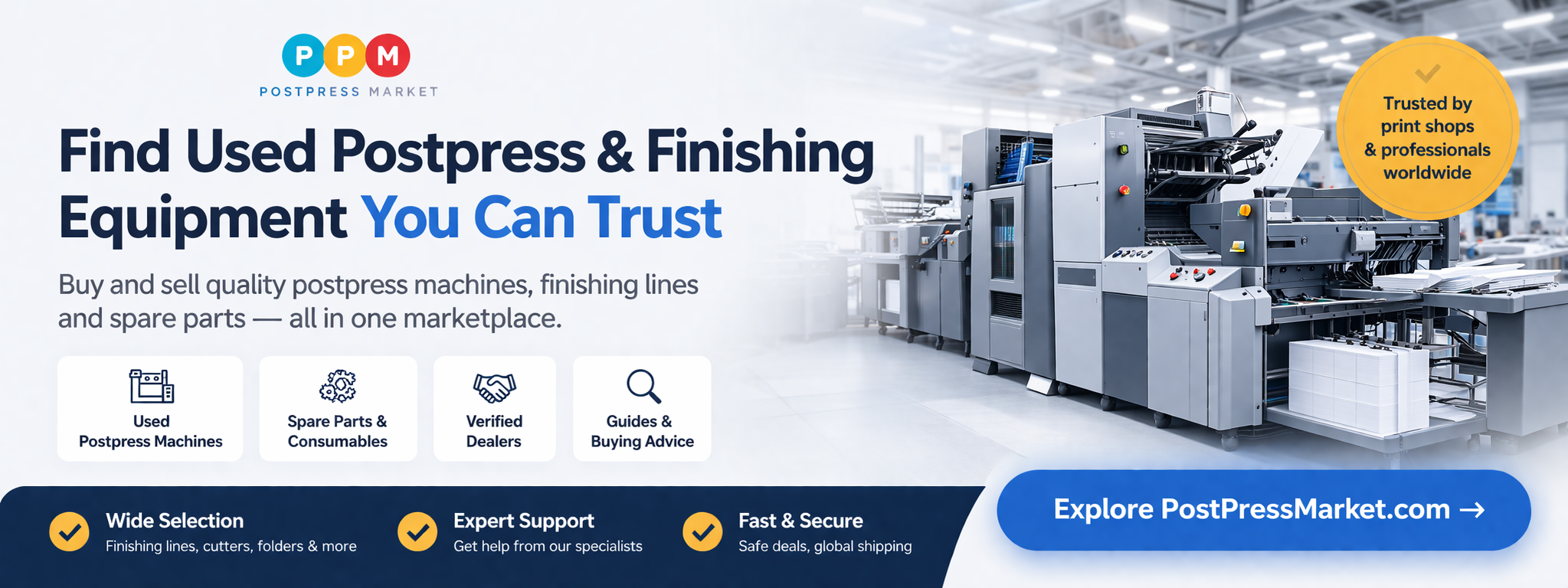
Maintenance and Spare Parts: Essential Marketplace Features
Ongoing maintenance is crucial to prolonging the lifespan of printing and postpress equipment. Marketplaces often feature listings for genuine and aftermarket spare parts, including:
- Replacement rollers and cylinders
- Drive belts and gears
- Electronic control boards and sensors
- Cutting blades and folding plates
Having access to a reliable parts supply reduces machine downtime and helps maintain print quality. Additionally, some marketplaces connect users with certified service providers and technicians who specialize in equipment repair and preventive maintenance. This support network is invaluable for troubleshooting complex issues and ensuring machines operate at peak performance.
How to Compare Printing Equipment Effectively
When evaluating multiple machines or parts, consider these comparison factors to guide your decision:
- Operational Capacity: Maximum speed, sheet size, and substrate compatibility.
- Technological Features: Automation level, digital integration, and user interface design.
- After-Sales Support: Availability of training, warranty options, and technical assistance.
- Cost vs. Value: Balance initial investment against expected productivity gains and maintenance expenses.
Using marketplace filters and comparison tools can simplify this process, allowing buyers to shortlist machines that best fit their production profile.
When to Seek Dealer or Technical Service Assistance
While marketplaces facilitate direct transactions, certain situations warrant professional dealer or service intervention:
- Complex machinery requiring installation and calibration
- Specialized repairs beyond in-house technician capabilities
- Warranty claims or authorized part replacements
- Consultations for upgrading or retrofitting existing equipment
Identifying dealers and service providers through the marketplace ensures access to qualified experts familiar with your equipment brand and model, enhancing reliability and reducing operational risks.
Frequently Asked Questions
- Q: Can I find both new and used printing machines on a professional marketplace?
A: Yes, most printing equipment marketplaces offer a range of new and pre-owned machinery to accommodate different budget and production needs. - Q: How can I verify the authenticity of spare parts listed?
A: Look for detailed part descriptions, manufacturer information, and seller certifications. When in doubt, consult with technical experts or dealers connected to the marketplace. - Q: Is it possible to negotiate prices directly with sellers?
A: Many marketplaces provide communication tools for buyers and sellers to negotiate terms, but always ensure agreements are documented clearly. - Q: What should I do if a machine purchased does not meet specifications?
A: Review the marketplace’s dispute resolution policies and contact customer support. It is advisable to inspect equipment before finalizing the purchase to minimize such risks.
Leveraging a professional printing equipment marketplace empowers industry operators to efficiently source, compare, and maintain the machinery vital to their business. By focusing on relevant listings, technical support, and trusted dealers, professionals can optimize their printing operations and sustain competitive advantages in a demanding market.
