
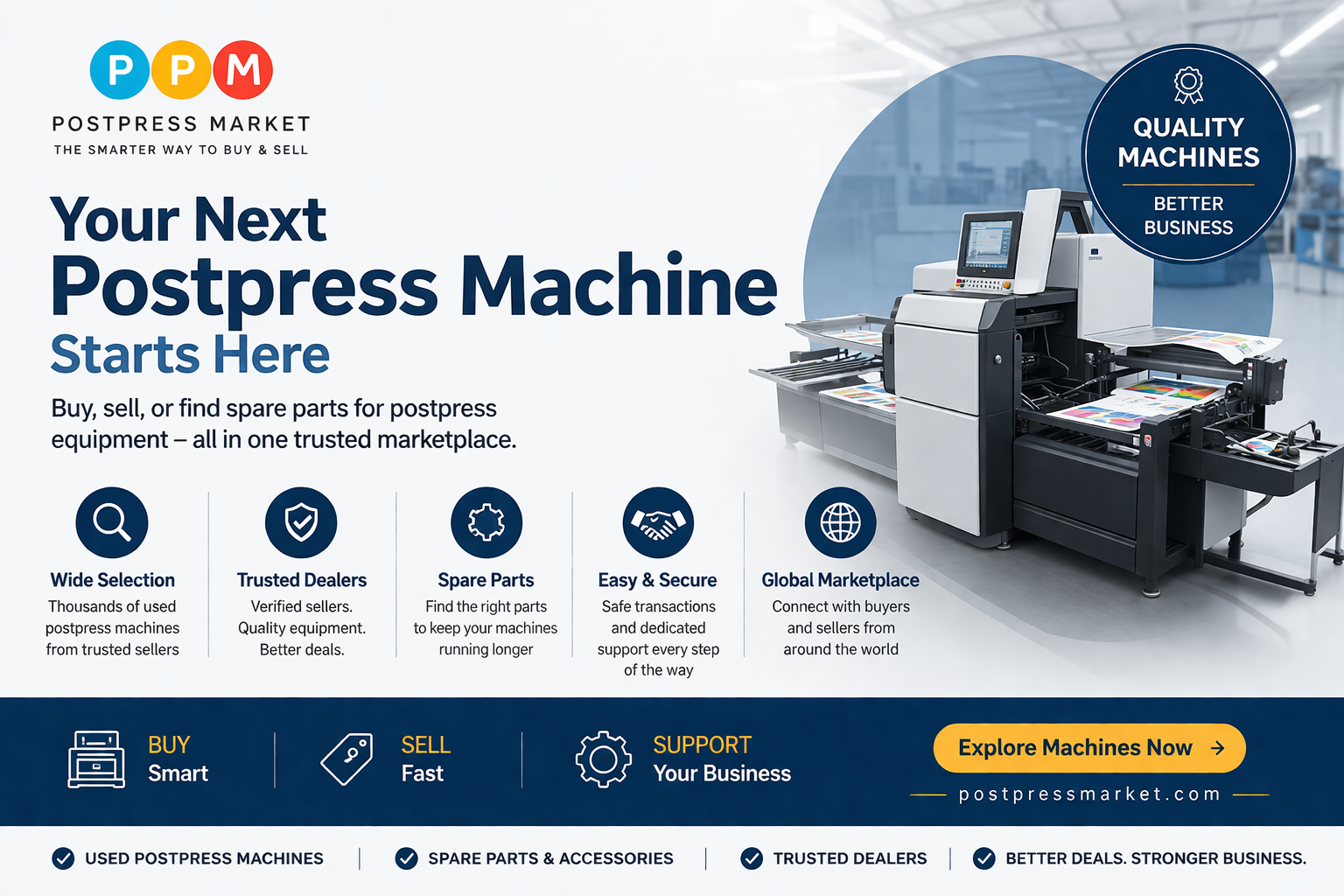
Dealer for Bindery Equipment: Your Gateway to Reliable Postpress Solutions
In the printing and finishing industry, bindery equipment plays an essential role in delivering polished, professional final products. Whether your operation requires folding machines, perfect binders, cutters, or stitching equipment, sourcing these machines through a trusted dealer is crucial. A specialized dealer not only provides access to new and used bindery machinery but also supports ongoing maintenance, spare parts supply, and expert technical assistance. Understanding the intricacies of bindery equipment and what to consider when selecting a dealer can significantly impact your production efficiency and equipment lifespan.
Why Partnering with a Bindery Equipment Dealer Matters
Bindery equipment is often complex and capital-intensive. Dealers who specialize in this sector bring specific advantages that go beyond simple transactions:
- Comprehensive Equipment Range: Dealers typically offer a broad portfolio including cutting, folding, binding, and trimming machines from multiple manufacturers, allowing buyers to compare options in one place.
- Expert Guidance: Experienced dealers understand different bindery processes and can recommend equipment that best fits your production volume, budget, and product specifications.
- Access to Spare Parts: Reliable dealers maintain inventories of critical spare parts, enabling quick repairs and reduced downtime.
- Technical Support and Maintenance: Post-sale services such as installation, preventive maintenance, and troubleshooting are often coordinated through dealers, ensuring machines operate at peak performance.
- Trade-In and Resale Opportunities: Dealers facilitate selling used equipment or upgrading machinery, helping businesses manage capital investment effectively.
Key Considerations When Choosing a Bindery Equipment Dealer
Selecting the right dealer requires careful evaluation, as this relationship impacts your operational continuity and cost efficiency. Here are critical factors to assess:
- Product Expertise and Range: Verify the dealer’s specialization in bindery equipment and the variety of brands or machine types they offer. Dealers with diverse inventories allow for better equipment comparison and tailored solutions.
- After-Sales Service Quality: Confirm the availability of maintenance contracts, training, and technical support. A dealer’s service responsiveness can minimize costly production interruptions.
- Spare Parts Availability: Ensure the dealer stocks or can quickly source genuine spare parts for your specific machines. Some bindery equipment requires specialized components that are not universally available.
- Equipment Condition and Certification: For used machinery, request detailed inspection reports, service history, and certification of operational status. Dealers offering warranties or refurbishment guarantees provide added security.
- Customer References and Reputation: Research feedback from other print shops or bindery operators who have worked with the dealer. Positive industry reputation often correlates with reliability and professionalism.
Common Bindery Machines and What to Evaluate Before Purchase
Bindery equipment includes a variety of machine types, each with specific operational nuances. Understanding what to check before acquisition helps avoid costly mistakes:
- Folding Machines: Evaluate folding capacity, speed, fold types supported, and adjustability. Ensure the machine’s specifications match your product formats.
- Perfect Binders: Consider binding thickness range, glue types used, and production speed. Check if the machine supports your paper stock and cover materials.
- Cutting and Trimming Equipment: Inspect blade condition, cutting precision, and safety features. Verify the maximum sheet size and thickness capabilities.
- Stitching and Saddle Stitchers: Assess wire gauge compatibility, stitching speed, and ease of jam clearing. Confirm maintenance accessibility for wear parts.
For each machine type, clarify whether the dealer offers installation support and operator training, which are vital for smooth integration into your workflow.
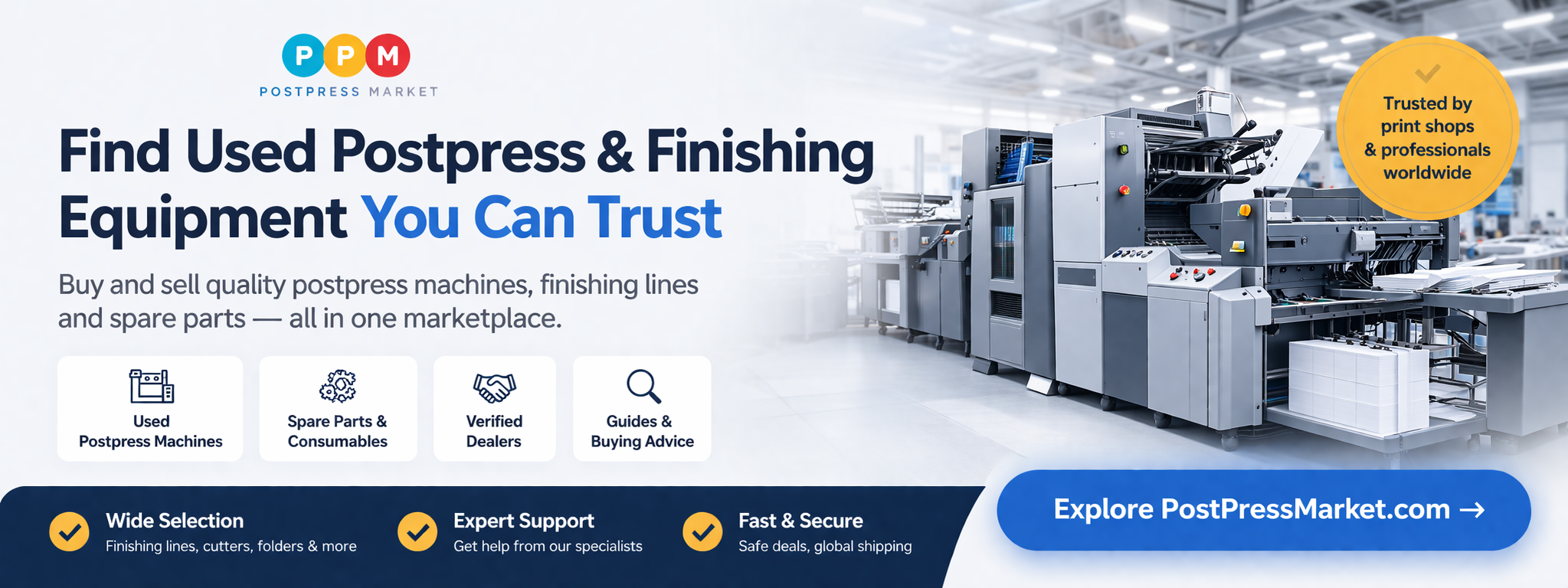
Maintenance and Troubleshooting Support Through Dealers
Bindery equipment undergoes significant mechanical stress and requires regular upkeep. Dealers often provide tailored maintenance programs that include:
- Routine Inspections: Scheduled checks to identify wear and tear before it causes breakdowns.
- Parts Replacement: Using genuine parts to maintain machine integrity and performance.
- Technical Troubleshooting: Expert diagnostics for issues such as misfeeds, inconsistent binding quality, or electronic malfunctions.
- Upgrades and Retrofits: Dealers may offer modernization options to extend equipment lifespan and improve efficiency.
Working closely with your dealer for maintenance reduces downtime and optimizes production throughput.
Risks of Purchasing Bindery Equipment Without Dealer Support
Buying bindery machinery without dealer involvement can expose businesses to several risks:
- Lack of Technical Expertise: Without dealer guidance, selecting inappropriate or incompatible equipment may lead to operational inefficiencies.
- Spare Parts Scarcity: Independent purchases may result in difficulty sourcing replacement parts, leading to extended machine downtime.
- Limited Service Options: Absence of dealer-backed maintenance can increase repair costs and reduce machine lifespan.
- Warranty and Certification Issues: Machines bought outside authorized channels may lack warranty coverage or verified condition reports.
Engaging with a reputable dealer mitigates these risks by providing comprehensive support throughout the machine’s lifecycle.
Frequently Asked Questions About Bindery Equipment Dealers
- Can dealers assist with financing options for bindery equipment?
Many dealers collaborate with financial institutions to offer leasing or financing plans tailored to printing businesses, easing the upfront investment burden. - Do dealers provide training for new bindery machines?
Yes, professional dealers typically offer operator training and technical workshops to ensure your staff can operate and maintain equipment properly. - Is it better to buy new or used bindery equipment through a dealer?
Both options have merits. New machines offer the latest technology and full warranty, while used equipment, when sourced from a trusted dealer, can be cost-effective with certified condition and service history. - How quickly can dealers supply spare parts?
Dealers usually maintain inventories of common parts and can source specialized components rapidly, minimizing downtime for your bindery operations. - What should I do if my bindery machine breaks down unexpectedly?
Contact your dealer’s technical service team promptly. Authorized dealers provide expert troubleshooting and can dispatch technicians or parts as needed.
